You Won't Believe What Lies Beneath Bohol's Hidden Terrain
Tucked away in the heart of the Philippines, Bohol isn’t just about chocolate hills and tarsiers—there’s a secret world beneath the surface waiting to be explored. I never expected to find such raw, untouched beauty in a place so quietly spoken of. From surreal rock formations to rivers that carve through ancient limestone, Bohol’s special terrain is a natural masterpiece shaped by time. This is more than sightseeing—it’s an immersive journey into Earth’s quietest wonders. Beyond the postcard views lie hidden canyons, underground rivers, and geological marvels that few travelers ever witness. For those willing to step off the beaten path, Bohol offers not only adventure but a deeper connection to nature’s quiet artistry.
The Untold Side of Bohol
Bohol has long been celebrated for its iconic Chocolate Hills and the wide-eyed Philippine tarsier, both of which draw thousands of visitors each year. These attractions are undeniably captivating, but they represent only a fraction of what this island province holds. Beneath the surface—literally and figuratively—lies a network of geological wonders shaped by millions of years of tectonic shifts, water erosion, and natural evolution. While most tourists follow well-trodden routes from viewing deck to wildlife sanctuary, a growing number of explorers are discovering Bohol’s lesser-known landscapes: hidden caves, jungle-carved canyons, and underground rivers that flow silently beneath limestone plateaus.
What makes these hidden terrains so compelling is not just their beauty, but their authenticity. Unlike commercialized attractions with crowded platforms and timed entries, these sites remain largely untouched by mass tourism. Access often requires local guidance, a sense of adventure, and respect for the environment. This article invites you to journey beyond the brochures and explore the quiet side of Bohol—a realm where nature speaks in whispers, and every rock formation tells a story written over millennia. The goal is not only to inform but to inspire mindful exploration, emphasizing sustainability, cultural sensitivity, and genuine discovery.
By focusing on these off-the-beaten-path experiences, travelers gain a richer understanding of Bohol’s ecological diversity and the resilience of its communities. Many of these hidden sites are known primarily to locals, passed down through generations as sources of water, shelter, or spiritual significance. Visiting them offers a rare opportunity to witness how people live in harmony with their environment. With responsible travel practices, these fragile ecosystems can be preserved for future generations while providing meaningful experiences for those who seek more than surface-level sightseeing.
The Chocolate Hills: More Than Just a Postcard View
The Chocolate Hills are undoubtedly Bohol’s most famous geological feature, comprising more than 1,200 dome-shaped hills spread across Carmen, Batuan, and Sagbayan. During the dry season, the grass covering these hills turns brown, giving them their signature chocolate-like appearance. But beyond their visual appeal lies a fascinating geological history. Formed from marine limestone uplifted by tectonic activity and later shaped by rainwater erosion, these symmetrical mounds are a textbook example of karst topography—a landscape created when soluble rocks like limestone dissolve over time.
While most visitors head straight to the main viewing deck in Carmen for panoramic photos, the true depth of this natural wonder reveals itself when explored from alternative vantage points. Local guides often lead small groups along lesser-known trails that wind between the hills, offering intimate perspectives rarely seen in travel magazines. From these paths, one can appreciate the uniformity of the formations, some rising over 120 feet high, all arranged in seemingly deliberate patterns across the countryside. These trails also provide insight into the surrounding ecosystem, where hardy grasses and shrubs cling to nutrient-poor soil, and seasonal changes dramatically alter the terrain’s color and texture.
Responsible visitation plays a crucial role in preserving the integrity of the Chocolate Hills. Stepping off marked paths can accelerate soil erosion, especially during the dry months when vegetation is sparse. Authorities have implemented protective measures, including restricted access zones and educational signage, to minimize environmental impact. Travelers are encouraged to stay on designated trails, avoid littering, and refrain from climbing the hills unless guided and permitted. By doing so, they help protect a site that is not only a national geological monument but also part of Bohol’s identity. The experience becomes richer when approached with reverence rather than just curiosity.
Hidden Canyons and Secret Caves of Loboc and Batuan
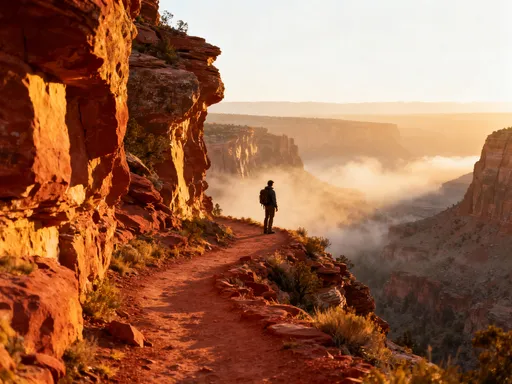
A short journey from the bustling river cruises of Loboc reveals a quieter, wilder side of Bohol’s landscape—hidden canyons carved by centuries of flowing water through soft limestone. These narrow gorges, often overlooked by mainstream tours, offer some of the most exhilarating yet serene adventures on the island. Accessible only through guided hikes or kayaking routes, they remain well-preserved due to their remote locations and the need for local expertise to navigate safely. The walls of these canyons rise steeply on either side, draped in moss and ferns, with sunlight filtering through in golden shafts that illuminate the river below.
One of the most remarkable features of these canyons is the network of caves hidden within their cliffs. Some are small alcoves formed by water erosion; others stretch deep into the rock, requiring headlamps and careful footing to explore. Local guides, often members of nearby farming communities, lead visitors through these systems, sharing stories of how elders once used the caves for shelter during storms or as storage for crops. These oral histories add cultural depth to the geological experience, reminding travelers that nature and human life have long been intertwined in this region.
Safety is paramount when visiting these sites. The terrain can be slippery, especially after rainfall, and some passages require crawling or wading through shallow water. Proper gear—such as non-slip footwear, headlamps, and lightweight rain protection—is essential. Most operators provide basic equipment and conduct briefings before entry. Guides emphasize staying together, avoiding sudden movements near unstable rock faces, and never touching cave formations, which can take thousands of years to grow. These precautions ensure both personal safety and environmental preservation.
Despite their breathtaking beauty, these canyons and caves remain under the radar, partly due to limited infrastructure and the absence of large-scale marketing. Yet this obscurity is precisely what makes them special. Without crowds or commercial development, visitors experience a sense of solitude and connection with nature that is increasingly rare in popular destinations. For families and mature travelers seeking meaningful outdoor experiences, these hidden landscapes offer adventure without risk, beauty without distraction, and discovery with purpose.
The Underground River at Inambakan: Nature’s Quiet Masterpiece
Deep in the rural barangays of northern Bohol lies the Inambakan Underground River, a serene and largely undiscovered waterway that winds through a labyrinth of limestone chambers. Unlike the more famous Puerto Princesa Subterranean River in Palawan, which welcomes tens of thousands annually, Inambakan remains a quiet sanctuary, accessible only through community-led tours. The journey begins with a drive along narrow farm roads, followed by a short hike through rice fields and coconut groves, culminating in a descent into the earth via a natural rock opening shaded by banyan trees.
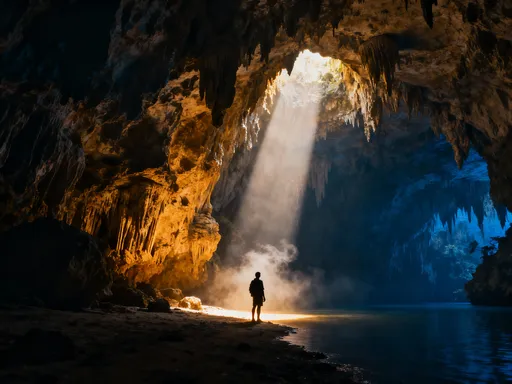
Inside, the river flows gently through narrow passageways, its surface reflecting the faint glow of headlamps and occasional beams of natural light filtering through ceiling cracks. The acoustics are extraordinary—whispers echo like distant chants, and dripping water creates a rhythmic soundtrack that enhances the meditative atmosphere. Stalactites hang like chandeliers, slowly growing over centuries, while mineral-rich pools shimmer in hues of turquoise and jade. The air is cool and damp, a welcome relief from the tropical heat above.
What sets Inambakan apart is not just its beauty but its authenticity. There are no electric lights, no loudspeakers, no souvenir stalls. Instead, local guides—often farmers or fisherfolk trained in eco-tourism—share knowledge about the cave’s formation, the species that inhabit it, and the importance of keeping it pristine. They point out delicate formations, explain how the river connects to larger groundwater systems, and stress the cultural significance of such places in local belief systems, where spirits of nature are said to reside.
Community-led tourism is central to Inambakan’s preservation. Entrance fees are modest and go directly toward maintaining the site, training guides, and supporting nearby households. This model ensures that conservation and livelihood go hand in hand. Travelers who visit contribute not only to environmental protection but also to sustainable income for rural families. It’s a powerful reminder that responsible tourism doesn’t have to mean sacrificing comfort or wonder—it simply means choosing experiences that honor both people and planet.
Rice Terraces and Sinkholes in Carmen and Sierra Bullones
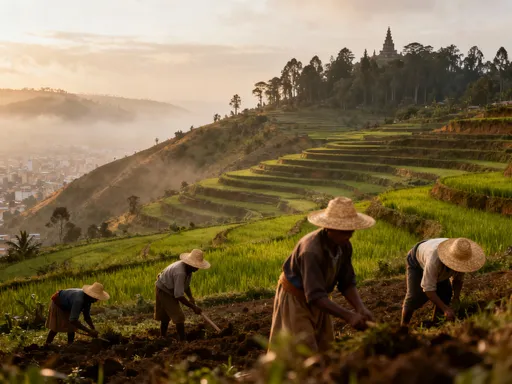
In the highlands of Carmen and Sierra Bullones, Bohol’s terrain takes on a different character—one shaped equally by nature and human ingenuity. Here, rolling hills give way to terraced rice fields carved into slopes, their stepped patterns echoing those found in the northern Philippines. But unlike the grand scale of the Cordillera rice terraces, Bohol’s versions are smaller, more intimate, often managed by single families using traditional methods. These fields are not just agricultural spaces; they are living landscapes where geology and cultivation intersect.
Scattered throughout these upland areas are natural sinkholes—circular depressions formed when limestone beneath the surface dissolves, causing the ground to collapse. Some are shallow and overgrown with vegetation; others plunge dozens of feet into darkness, their depths home to unique microclimates and rare plant species. Locals refer to them as *buhisan* or *lambug*, names passed down through generations. These formations serve practical purposes: they collect rainwater during the wet season, providing a natural reservoir for irrigation, and some are used for small-scale aquaculture or composting.
Hiking routes in the region connect rice terraces with these geological curiosities, creating a tapestry of human and natural history. Trails are often unpaved and unmarked, requiring local guidance to navigate safely. Along the way, travelers pass stone walls built without mortar, bamboo irrigation channels, and small shrines placed at crossroads or near water sources. These details speak to a deep-rooted relationship between the land and its stewards—one based on observation, adaptation, and respect.
For visitors, the experience is both grounding and enlightening. Walking through these terraces offers a slower pace of travel, one that invites reflection on sustainability, tradition, and resilience. The presence of sinkholes adds an element of geological intrigue, reminding us that the earth is dynamic, ever-changing, and full of surprises. When approached with care, these sites offer a rare blend of cultural immersion and natural discovery, ideal for travelers who value authenticity over spectacle.
Sustainable Travel: Respecting Bohol’s Fragile Ecosystems
Bohol’s hidden terrains are not only beautiful but fragile. The limestone formations, underground rivers, and karst landscapes are highly susceptible to damage from human activity. Over-tourism, improper waste disposal, and physical contact with cave surfaces can degrade these environments in ways that may take centuries to reverse. Even seemingly harmless actions—like using flash photography in dark caves—can disrupt delicate ecosystems, affecting bat colonies and slowing the growth of mineral deposits. As interest in off-the-beaten-path travel grows, so does the responsibility to protect these natural treasures.
Travelers can make a meaningful difference by adopting simple yet effective practices. Staying on marked trails prevents soil erosion and protects native vegetation. Carrying reusable water bottles and food containers reduces plastic waste, which is especially critical in remote areas where waste management systems are limited. Avoiding loud noises and bright lights in caves helps preserve the natural ambiance and minimizes stress on wildlife. Most importantly, choosing eco-conscious operators—those who employ local guides, limit group sizes, and contribute to conservation efforts—ensures that tourism supports, rather than harms, the communities and ecosystems involved.
Education plays a vital role in sustainable travel. Many local organizations and community groups offer briefings before tours, explaining the geological significance of sites and the rules in place to protect them. These sessions not only enhance the visitor experience but foster a sense of stewardship. When travelers understand why certain behaviors are discouraged—such as touching stalactites or leaving offerings in caves—they are more likely to comply willingly. Knowledge transforms tourism from passive observation into active participation in preservation.
The ultimate goal is to create a culture of care, where every visitor leaves a site exactly as they found it—or even better. This mindset benefits not only the environment but also future travelers, ensuring that Bohol’s hidden wonders remain accessible and unspoiled. By traveling with intention, maturity, and respect, families and individuals alike can enjoy profound experiences while contributing to the long-term health of the places they visit.
How to Plan Your Own Secret Terrain Adventure
For those inspired to explore Bohol’s hidden landscapes, careful planning is key to a safe and rewarding experience. The best time to visit is during the dry season, which runs from November to May. During these months, trails are less slippery, rivers are at manageable levels, and the weather is conducive to outdoor activities. June through October brings the rainy season, when flash floods and muddy conditions can make access to remote sites dangerous or impossible.
A balanced itinerary might begin with Bohol’s well-known attractions—such as the Chocolate Hills viewing deck and the tarsier sanctuary—before branching out into lesser-known areas. From there, travelers can arrange guided excursions to the Loboc canyons, Inambakan Underground River, or the rice terraces of Sierra Bullones. Many eco-tourism operators offer multi-day packages that include transportation, meals, and homestay accommodations, providing an immersive experience while supporting local economies.
Transportation options vary. While rental cars are available, hiring a local driver familiar with rural roads is often safer and more reliable. These drivers frequently double as informal guides, offering insights into regional customs and pointing out hidden spots along the way. Alternatively, joining small-group eco-tours ensures expert guidance, shared costs, and built-in companionship—ideal for solo travelers or families seeking structured adventures.
Packing wisely enhances comfort and safety. Essential items include sturdy hiking shoes with good grip, quick-dry clothing, a waterproof backpack, a headlamp with extra batteries, and a first-aid kit. Sun protection—such as hats, sunglasses, and reef-safe sunscreen—is important, as is carrying sufficient water. Since many remote sites lack restrooms or food vendors, bringing snacks and a portable seat or mat can make breaks more enjoyable. Above all, maintaining a flexible mindset allows travelers to adapt to changing conditions and embrace the unpredictability that makes off-the-beaten-path exploration so rewarding.
Rediscovering Wonder in Bohol’s Wild Corners
Bohol’s true magic lies not just in its famous sights, but in the silence between them. It’s in the hush of an underground river, the shadow of a sinkhole hidden in tall grass, the crunch of limestone underfoot on a secluded trail. These quiet moments—unscripted, unfiltered, unhurried—are where travel transforms from sightseeing into soul-searching. They invite us to slow down, to listen, to notice the details that textbooks and brochures often overlook.
Exploring Bohol’s hidden terrain is more than an adventure; it’s a lesson in humility and wonder. It reminds us that the earth holds secrets far older than human memory, shaped by forces we can observe but never fully control. It teaches us to move gently, to respect boundaries, and to recognize our role as temporary guests in a world that existed long before us and will continue long after.
For 30- to 55-year-old women—many of whom juggle family, work, and personal well-being—this kind of travel offers a rare gift: space. Space to breathe, to reconnect with nature, and to rediscover a sense of curiosity that everyday life can dull. Whether walking through a sun-dappled canyon or floating down a silent river beneath the earth, these experiences nurture the spirit as much as they challenge the body.
As you plan your next journey, consider stepping beyond the expected. Seek out the quiet corners, the unmarked trails, the places where stories are whispered rather than shouted. In Bohol’s hidden terrain, you may not find fame or convenience—but you will find something far more valuable: the enduring beauty of a world that reveals itself only to those who look with care, listen with patience, and travel with heart.