Hiking Trails and Hidden Feasts in Austria’s Lake Paradise
You know that feeling when nature steals your breath and a meal feels like magic? That’s Salzkammergut. Nestled in Austria’s alpine heart, this region isn’t just about glassy lakes and forested peaks—it’s where hiking leads to cozy mountain huts serving steaming plates of homemade cheese and wood-fired bread. I didn’t expect gourmet moments on the trail, but here, every summit rewards with views and flavors you won’t forget. The air is crisp, the trails well-tended, and the rhythm of life slows just enough to let wonder in. Whether you’re tracing the shoreline of Hallstatt Lake or climbing above Gosau’s pine forests, Salzkammergut offers more than scenery—it delivers a full sensory journey, one where physical effort meets deep nourishment, both of body and spirit.
Why Salzkammergut Stands Out for Hikers
Situated between the cities of Salzburg and Linz, the Salzkammergut region spans over 500 square kilometers of pristine alpine terrain, home to more than 70 lakes and a network of trails that cater to every level of hiker. What makes this destination truly unique is not only its breathtaking geography—where turquoise waters mirror snow-dusted peaks—but also its long-standing tradition of harmonious living between people and nature. Unlike more commercialized mountain zones, Salzkammergut has preserved its cultural authenticity, offering trails that wind through working farms, centuries-old villages, and protected woodlands. This blend of natural beauty and human heritage transforms a simple hike into an immersive experience.
The region's accessibility enhances its appeal. Travelers from Vienna or Salzburg can reach major trailheads within two hours by train or car, making it ideal for weekend excursions or extended stays. Once there, hikers benefit from an exceptionally well-organized infrastructure: clearly marked paths, detailed signage in multiple languages, and frequent information boards that outline distances, elevation gains, and estimated hiking times. These features reduce uncertainty and allow even first-time alpine hikers to explore with confidence. Additionally, the presence of mountain rescue services and emergency shelters provides peace of mind without detracting from the sense of adventure.
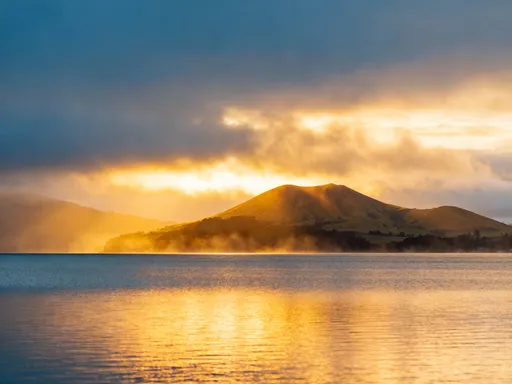
But beyond logistics, Salzkammergut stands out for its ethos of slow travel. There is no rush here. Trails are designed not merely to reach summits, but to encourage presence—to pause at a wildflower meadow, listen to cowbells echoing across a valley, or watch mist rise off a lake at dawn. Many routes follow ancient transhumance paths once used by shepherds moving livestock between seasonal pastures. Walking them today connects modern visitors to a timeless rhythm of rural life, deepening the emotional resonance of the journey. This integration of culture, history, and nature is what elevates Salzkammergut from a hiking destination to a place of meaning.
Choosing the Right Trail: Matching Paths to Your Pace
One of the greatest strengths of the Salzkammergut hiking network is its diversity. Whether you're seeking a gentle stroll or a challenging ascent, there is a trail suited to your energy level, experience, and time availability. For those new to alpine hiking or traveling with children, the lakeside paths offer serene and accessible options. The trail along Lake Hallstatt, for instance, begins in the village of Obertraun and follows the water’s edge through shaded groves and open meadows. With minimal elevation gain and frequent benches, it allows hikers to absorb the dramatic landscape at a relaxed pace. Along the way, interpretive signs share insights about local geology, flora, and UNESCO World Heritage designations, enriching the experience without requiring physical exertion.
For moderately experienced hikers, the foothills of the Dachstein Massif present rewarding climbs with panoramic payoffs. The route from Gosau to the Gosauer Karkopf viewpoint gains approximately 600 meters in elevation but does so gradually, winding through dense spruce forests and alpine clearings. Midway, hikers pass the Gosauer Wasserfälle—small cascading waterfalls that sparkle in sunlight and offer refreshing spots to rest. The final ascent opens onto a rocky outcrop where the entire Gosau Valley unfolds below, framed by the towering Dachstein Glacier. These trails strike a balance between effort and reward, ideal for building confidence while enjoying solitude and scenery.
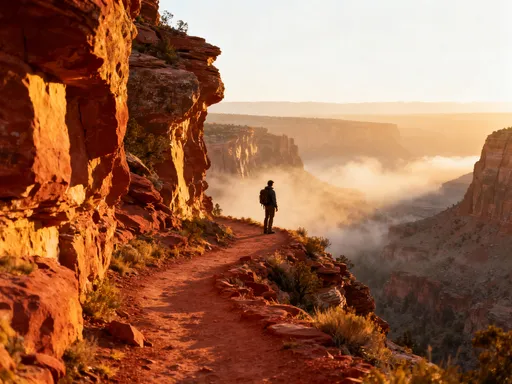
More seasoned adventurers may seek out ridge hikes such as the path to Echerhöhe, which sits at 1,540 meters above sea level and delivers one of the most photographed views in the region. The trail starts near the town of Obertraun and ascends steeply through switchbacks before emerging above the tree line. Here, the terrain becomes rugged, and proper footwear and weather awareness become essential. However, the effort is justified by a sweeping vista that includes Lake Hallstatt, the village perched dramatically against the cliff face, and the surrounding peaks fading into the horizon. Such trails demand preparation, but they offer unparalleled immersion in high-alpine environments.
Regardless of difficulty, all trails in Salzkammergut are marked with standardized color-coded signs—white rectangles with red borders indicating trail numbers and directions. These are maintained regularly and updated seasonally. Hikers should begin early in the day, especially on longer routes, to avoid afternoon thunderstorms common in summer months. Essential gear includes sturdy boots, layered clothing, sunscreen, and sufficient water. While many trails have access to mountain huts, carrying a small backpack with snacks, a first-aid kit, and a charged mobile phone is strongly advised. With thoughtful planning, every hiker can find a path that matches their pace and leaves them feeling accomplished rather than overwhelmed.
The Unexpected Gourmet Touch on Mountain Huts
What truly sets Salzkammergut apart from other alpine regions is the quality and warmth of its mountain huts, known locally as Almhütten. Far from being basic shelters offering only tea and toast, these lodges serve as culinary oases where hikers are greeted with hearty, homemade meals prepared with care and regional pride. It’s not uncommon to round a forest bend after hours of climbing and be met with the aroma of freshly baked bread or simmering broth wafting from a sunlit terrace. These moments transform a routine rest stop into a highlight of the day—a celebration of effort rewarded.
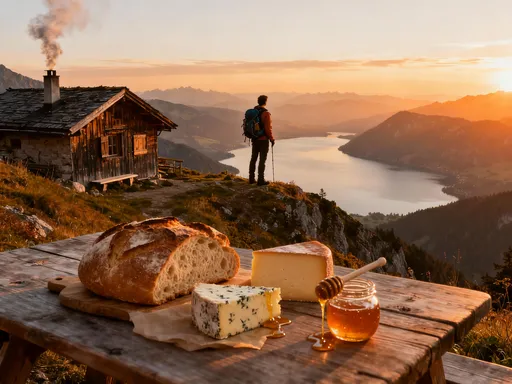
At huts like the Simonyhütte, perched near the base of the Dachstein Glacier, hikers can savor dishes such as warm Kaiserschmarrn—a fluffy shredded pancake served with stewed plums—or pan-seared trout caught that morning from nearby mountain streams. Other favorites include Almkäse (alpine cheese) platters accompanied by pickled vegetables and dark rye bread baked in wood-fired ovens. Even simple items like a bowl of buttermilk or a slice of apple strudel taste extraordinary when enjoyed at 1,500 meters, with panoramic views stretching to the horizon. The food is not just fuel; it’s an expression of place, made with ingredients sourced directly from surrounding farms and forests.
Many of these huts are family-run and operated seasonally, typically from June through September. The owners often live on-site, tending cows during the day and cooking for guests in the afternoon. This personal touch adds authenticity to the experience—you’re not dining in a restaurant, but in someone’s summer home. Ingredients are intentionally local: milk from grazing cows, herbs gathered from alpine meadows, and honey harvested from nearby hives. Water comes from natural springs, filtered through layers of limestone, giving it a crisp, clean taste. These details may seem small, but together they create a dining experience that feels deeply rooted in the landscape.
For many visitors, discovering this level of culinary care in such remote settings is a delightful surprise. It challenges the assumption that mountain food must be basic or utilitarian. Instead, the Almhütten culture in Salzkammergut reflects a broader philosophy: that nourishment should be joyful, communal, and connected to the seasons. Sharing a table with fellow hikers, passing around a pot of soup, or watching a grandmother knead dough by hand—these human moments elevate the meal beyond taste, turning it into memory.
Where Tradition Meets the Trail: Authentic Alpine Cuisine
The food served in Salzkammergut’s mountain huts is not invented for tourists; it is the living continuation of centuries-old alpine farming traditions. Every dish tells a story of adaptation, resourcefulness, and respect for the land. One of the most emblematic meals is the Bauernschmaus, or farmer’s platter, which typically includes cured meats like Speck (smoked bacon), fresh cheeses, boiled potatoes, and a tangy beetroot salad. This hearty combination was originally designed to sustain farmworkers through long days in the fields and pastures, and it remains a staple across the region.
Another traditional favorite is Pinzgauer Brotzeit, a savory spread of cold cuts, pickles, and buttered bread that originated in neighboring Pinzgau but has become popular in Salzkammergut due to cultural proximity. Often served with a glass of locally brewed beer or herbal tea, it exemplifies the alpine approach to eating—simple, satisfying, and deeply seasonal. Equally important is the role of dairy, particularly fresh curd cheese, known as Topfen. Made daily in many huts, Topfen is served with mountain honey, fresh berries, or a sprinkle of cinnamon, offering a light yet energizing option for hikers needing a midday boost.
Perhaps the most distinctive element of Salzkammergut’s cuisine is Heumilch, or hay milk. This specialty comes from cows that graze exclusively on natural grasses and herbs, never fed silage or artificial supplements. The hay-based diet gives the milk a richer flavor and higher nutrient content, which translates into superior cheese, butter, and yogurt. During summer months, many huts proudly display the Heumilch certification logo, signaling their commitment to traditional farming methods. Tasting a slice of Heumilchkäse after a long climb is not just a pleasure—it’s a direct connection to the alpine ecosystem and the farmers who steward it.
These culinary traditions are intrinsically linked to the seasonal rhythm of alpine life. In spring, herds are moved up from valley barns to higher pastures in a practice known as Almabtrieb. By summer, cows graze freely, enriching the soil and shaping the landscape. In autumn, they return to lower elevations in a festive procession often celebrated with music and decorated headdresses. This cycle ensures that dairy products are freshest and most flavorful during the hiking season, making summer the ideal time to visit. For travelers, understanding this connection deepens appreciation—not only for the food itself, but for the cultural resilience that keeps these traditions alive.
How to Plan Your Hike-and-Dine Adventure
Creating a memorable hike-and-dine experience in Salzkammergut begins with thoughtful planning. Choosing the right base town is key. Hallstatt, with its iconic lakeside setting and UNESCO status, is the most famous starting point, though it can be crowded during peak season. For a quieter alternative, consider Gosau, nestled at the foot of the Dachstein Mountains, where trails begin just steps from the village center. Bad Ischl, once the summer residence of Emperor Franz Joseph, offers elegant accommodations and excellent public transport links, making it ideal for those who prefer a blend of comfort and access.
Once settled, map out a trail that leads to at least one mountain hut with meal service. Resources such as the official Salzkammergut hiking app or printed trail maps from local tourist offices provide real-time information on hut opening times, menu offerings, and current weather conditions. Since many huts operate only during summer months—typically from late May to early October—it’s wise to verify availability in advance, especially for longer hikes requiring precise timing. Planning your route so that lunch coincides with arrival at a hut ensures you won’t miss out on freshly prepared dishes.
Packing smart enhances both safety and enjoyment. While it’s tempting to carry every possible item, experienced hikers recommend traveling light: a daypack with water (or a portable filter), a windproof jacket, a hat, sunscreen, and a fully charged phone are essentials. A compact camera or journal can help capture the beauty of the landscape and the warmth of human encounters. Public transportation in the region is reliable and eco-friendly; regional buses and trains connect major towns and trailheads, reducing the need for private vehicles. The Salzkammergut Card, available at tourist centers, often includes free or discounted transit, hut meals, and museum entries, adding value to your trip.
Timing also plays a crucial role. Starting your hike by 8 or 9 a.m. allows you to complete moderate routes before afternoon clouds roll in. It also increases the likelihood of securing a table at popular huts, which may run out of certain dishes by late afternoon. If you’re combining multiple days of hiking, consider booking overnight stays at family-run guesthouses or mountain lodges, where breakfasts feature local jams, fresh eggs, and homemade bread—further extending the culinary journey.
Sustainable Choices That Enhance the Experience
As tourism grows in popularity, preserving the natural and cultural integrity of Salzkammergut becomes increasingly important. Fortunately, the region has embraced sustainable practices that allow visitors to enjoy its beauty without compromising its future. One of the most effective ways hikers can contribute is by staying on marked trails. This simple act prevents soil erosion, protects fragile alpine plants, and minimizes disturbance to wildlife. Signs reminding visitors to “leave no trace” are common, and many trails include designated rest areas with composting toilets and waste bins.
Equally impactful is supporting family-run mountain huts and local producers. When you purchase a meal at a small Almhütte, you’re not just feeding yourself—you’re sustaining a way of life. These businesses rely on seasonal income to maintain operations and care for livestock. By choosing to eat locally, you help keep traditional farming viable in remote areas. Look for regional product labels such as Heumilch or Salzkammergut Genuss, which certify authenticity and ethical production methods. Avoid bringing packaged snacks from outside the region; instead, buy provisions in village markets where possible.
Reducing plastic waste is another meaningful step. Many hikers now carry reusable water bottles equipped with built-in filters, allowing them to refill safely from mountain springs. Some huts have eliminated single-use containers altogether, serving drinks in glass bottles and food on ceramic plates. Carrying out all trash, including biodegradable items like fruit peels (which decompose slowly at high altitudes), is standard practice and widely respected. These habits, though small, collectively make a significant difference in maintaining the region’s cleanliness and ecological balance.
Beyond individual actions, broader initiatives are in place to promote responsible tourism. Local governments collaborate with environmental groups to monitor trail conditions, manage visitor flows, and restore damaged areas. Educational programs in schools and visitor centers emphasize the importance of biodiversity and cultural preservation. The result is a tourism model that values quality over quantity—a focus on meaningful experiences rather than mass consumption. When hikers align with these values, their presence becomes part of the solution, helping to protect Salzkammergut for generations to come.
Beyond the Summit: Why This Journey Stays With You
The true magic of hiking in Salzkammergut lies not just in reaching a viewpoint or checking off a trail, but in the accumulation of quiet, authentic moments. It’s the warmth of a wooden hut after a chilly climb, the shared smile with a fellow traveler over a pot of soup, the sound of cowbells drifting across a valley at dusk. These experiences linger long after the blisters fade and the boots are stored away. They stay with you because they speak to something fundamental: the human need for connection—to nature, to tradition, to simplicity.
In a world that often feels hurried and fragmented, Salzkammergut offers a rare sense of wholeness. The physical effort of climbing clears the mind, while the richness of the landscape nourishes the soul. And then there is the food—not as indulgence, but as celebration. Each bite of warm cheese, each sip of spring water, becomes a gesture of gratitude for the land and those who care for it. This integration of movement, beauty, and nourishment creates a holistic experience that transcends ordinary tourism.
Perhaps the deepest lesson of the Salzkammergut is that true fulfillment often comes from slowness and presence. It’s in the way a mountain sunrise unfolds without hurry, or how a grandmother in a hut takes time to explain her recipe. These moments invite us to pause, to savor, to remember that life’s greatest rewards are not always loud or fast, but quiet and deep. As you descend back to the valley, legs tired but heart full, you carry more than memories—you carry a renewed sense of balance, a reminder that joy can be found in effort, in flavor, in stillness.
So plan your journey with care, walk with respect, and eat with joy. Let the lakes reflect not just the sky, but your own sense of wonder. Let the mountains remind you of your strength, and the huts welcome you like old friends. In Salzkammergut, every trail leads not just to a destination, but to a deeper understanding of what it means to truly live. Explore mindfully. Savor slowly. And let the alpine world feed more than just your legs—it can nourish your spirit, too.