You Gotta Drive to Feel Galway’s Festival Soul
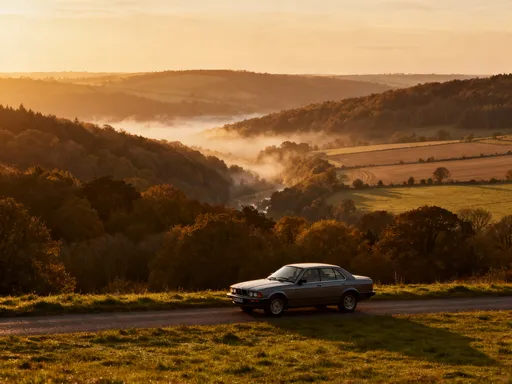
There’s something wild and magical about hitting the road with music blasting and nowhere to be but there. I drove through Ireland’s west coast last summer, chasing festivals and freedom—and Galway stole my heart. From spontaneous street parades to hidden gigs in seaside villages, self-driving unlocked experiences I’d never have found otherwise. It wasn’t just the events—it was the detours, the chats with locals, the rain-soaked laughter. If you want to live Galway’s festival spirit, not just see it, this is how to do it right.
Why Galway? The Pulse of Ireland’s Cultural Heartbeat
Galway is not just a city—it is a living, breathing celebration of Irish culture. Nestled on the wild Atlantic coast, it pulses with an energy that blends ancient tradition with youthful creativity. Unlike more formal urban centers such as Dublin or Cork, Galway feels intimate, unpolished, and deeply authentic. Its cobblestone streets echo with the sounds of fiddles and bodhráns, while its bilingual signs reflect a proud connection to the Irish language, or Gaeilge, which thrives here more than in any other Irish city. This linguistic heritage is not merely decorative; it shapes the rhythm of daily life and deepens the cultural resonance of its many festivals.
The city’s identity is rooted in its role as a cultural crossroads. For centuries, Galway has welcomed artists, seafarers, and storytellers from across Europe and beyond. Today, that legacy lives on in its thriving arts scene, where traditional music sessions spill out of pubs and onto sidewalks, and where street performers transform ordinary afternoons into impromptu theater. The population skews young due to the presence of the University of Galway, injecting the city with fresh ideas and relentless enthusiasm. This mix of old and new creates a unique atmosphere—one where a 300-year-old céilí dance feels as relevant as a modern indie concert.
What truly sets Galway apart, however, is its year-round festival culture. While many cities host seasonal events, Galway treats celebration as a way of life. From January’s winter solstice lighting to December’s Christmas markets, there is always a reason to gather, sing, and share stories. These festivals are not staged for tourists; they emerge organically from the community. To experience them fully, one must move beyond the city center and into the surrounding villages and landscapes—something only possible with the freedom of a car. Without it, you risk seeing only the surface of Galway’s soul.
Driving Freedom: How a Car Transforms Your Festival Journey
Public transportation in western Ireland, while functional, cannot match the spontaneity and access that a rental car provides. Buses follow fixed routes and schedules, often missing the smaller events that define Galway’s true character. When you drive, you are no longer bound by timetables or transfers. You can leave the city at dawn to catch a sunrise concert on Inis Oírr, linger over tea in a coastal café after a morning market, or detour to a village hall where locals gather for an unadvertised trad session. The car becomes more than a vehicle—it becomes a gateway to intimacy with place and people.
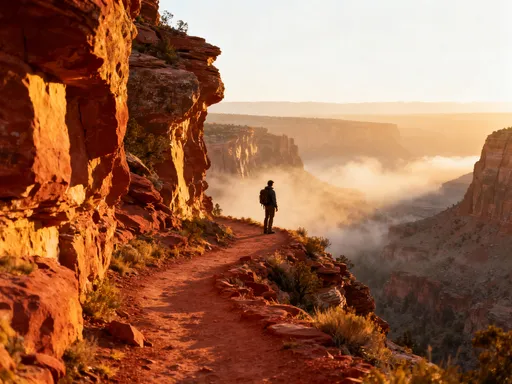
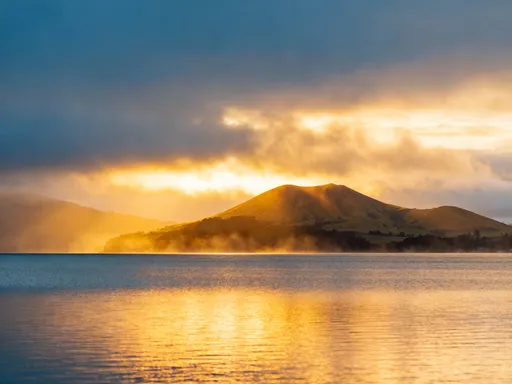
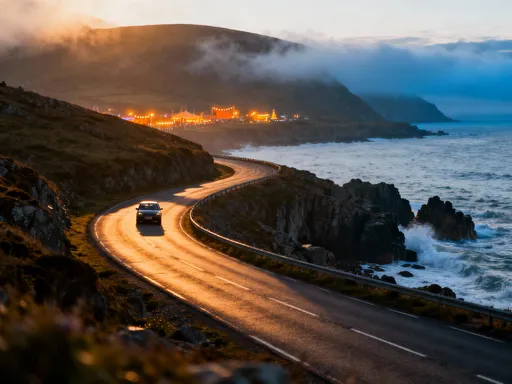
Driving along the Wild Atlantic Way, the road itself becomes part of the festival experience. One moment you’re navigating a narrow country lane flanked by stone walls, the next you’re pulling over to watch sheep cross the road or to take in a panoramic view of Galway Bay. These unplanned pauses are where memories are made. In towns like Spiddal, where Irish is still widely spoken, a short drive from the city center opens doors to cultural experiences that remain invisible to most visitors. Here, you might stumble upon a spontaneous poetry reading or a community dinner celebrating the summer solstice—events shared by word of mouth, not listed on any official itinerary.
Practically speaking, renting a car in Ireland is straightforward. Major international agencies operate at Shannon and Knock airports, and booking in advance ensures better rates and vehicle availability, especially during peak festival months. Compact cars are ideal for navigating narrow roads and tight parking spaces. While driving on the left may feel unfamiliar at first, most travelers adapt quickly. Roundabouts are common, but signage is clear, and locals tend to be patient with tourists. For added confidence, consider using a GPS app designed for Irish rural navigation—more on that later. The key is to embrace the journey, not just the destination. With a car, every turn offers the promise of discovery.
Festival Season Unpacked: What’s On and When to Go
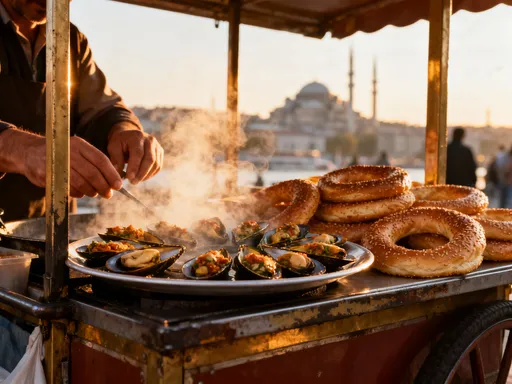
Galway’s festival calendar is rich and varied, offering something for every interest and season. Timing your visit to align with these events can transform a simple trip into a once-in-a-lifetime experience. The most famous of these is the Galway International Oyster Festival, held each September in the historic Kirwan’s Lane. What began as a local celebration of the region’s prized seafood has grown into a five-day extravaganza featuring oyster shucking competitions, gourmet tastings, live music, and a grand parade. The atmosphere is electric—locals and visitors alike gather in pubs and market halls, raising glasses of Guinness and sharing stories late into the night.
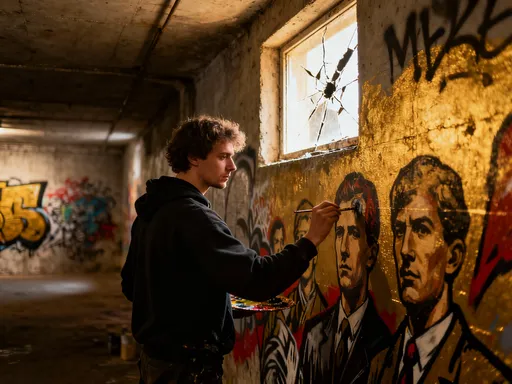
Equally iconic is the Galway Arts Festival, a two-week celebration every July that transforms the city into an open-air stage. Theater performances, contemporary dance, visual art exhibitions, and street installations take over public squares and hidden courtyards. One might encounter a masked procession winding through Latin Quarter alleys or a pop-up opera in a converted warehouse. Unlike more formal arts events elsewhere, this festival invites participation. Workshops allow visitors to try their hand at mask-making or traditional songwriting, deepening their connection to the culture. For those who appreciate creativity in all its forms, this is the ideal time to visit.
For lovers of traditional music, February’s TradFest offers an intimate look at Ireland’s musical roots. While Dublin hosts a larger version of this event, Galway’s iteration feels more grounded, with sessions held in neighborhood pubs rather than concert halls. Musicians gather informally, passing instruments around tables as if among family. The music is raw, heartfelt, and unscripted. Many of these gatherings occur in villages just outside the city—places like Barna or Moycullen—accessible only by car. Attending one feels less like tourism and more like being welcomed into a private world.
Each festival has its own rhythm and charm, but all share a common thread: they are community-driven, deeply rooted in place, and best experienced with time and flexibility. By planning your trip around one or more of these events—and giving yourself room to explore beyond the official program—you unlock a richer, more personal version of Galway.
Off-the-Beaten-Path Gems: Hidden Festival Moments Beyond the City
While Galway City dazzles, some of the most authentic festival experiences unfold in the surrounding countryside. These smaller, locally rooted events offer a window into the heart of Irish life—one that remains untouched by mass tourism. Take Clifden, the capital of Connemara, which hosts the annual Connemara Pony Show every August. This event is more than a display of equestrian skill; it is a celebration of regional identity. Families arrive in trucks and trailers, children in matching sweaters, dogs trotting beside them. The ponies—small, sturdy, and intelligent—are treated like royalty. Competitions include show jumping, dressage, and traditional farm work demonstrations, all judged with great seriousness.
The atmosphere is warm and inclusive. Spectators stand close to the ring, cheering not just for winners but for effort, for spirit. Vendors sell handmade woolens, local honey, and hot scones fresh from the oven. There is no entrance fee, no corporate branding—just community. To attend, you must drive about an hour from Galway City, but the journey is part of the magic. As you pass through peat bogs and mountain passes, the landscape itself tells a story of resilience and beauty. Arriving in Clifden feels like stepping into a different time, one where life moves at the pace of nature.
Another hidden gem is Kinvara’s Dún Conor Festival, held each summer on the shores of Galway Bay. This small fishing village comes alive with storytelling, boat races, and archaeological walks centered around the ancient stone fort perched on a limestone cliff. Locals recount legends of sea kings and lost treasures, their voices rising above the crash of waves. Children build sandcastles between events, while elders share memories of past festivals. The event is low-key but deeply meaningful—a testament to the continuity of tradition in rural Ireland.
These festivals are rarely mentioned in mainstream travel guides, yet they offer some of the most powerful cultural encounters. They are not curated for outsiders; they exist because the people want them. Driving allows you to attend without rushing, to stay for tea with a local, to return the next morning for a quiet walk along the shore. This kind of slow, respectful engagement is what transforms a visitor into a temporary member of the community.
Planning the Perfect Route: Balancing Festivals, Scenery, and Downtime
To make the most of your Galway festival journey, thoughtful planning is essential—but so is leaving space for spontaneity. A well-balanced itinerary blends major events with scenic drives, cultural stops, and moments of rest. Consider a five-day route that begins and ends in Galway City, looping through the most evocative landscapes of the region.
Day one could start with a stroll through the city’s Latin Quarter, followed by a drive to Salthill Promenade, a seaside walkway just ten minutes from downtown. Here, families gather to walk the mile-long path, children fly kites, and fishermen cast lines into the churning sea. In summer, open-air concerts are common, and food trucks serve fresh crab rolls and hot chocolate. Returning to the city in the evening, you might catch a free trad music session at Tigh Coili, a cozy pub known for its authentic sessions.
Day two could take you to Kylemore Abbey, a Gothic-style mansion nestled beside a mirror-like lake in the Connemara mountains. Once a private home, it is now run by Benedictine nuns who welcome visitors and sell handmade chocolates and jams. The surrounding gardens are meticulously maintained, and walking trails lead into the heather-covered hills. It’s a place of quiet reflection—ideal after a high-energy festival night. Nearby, the village of Letterfrack offers a small heritage center detailing the area’s history, including its 19th-century workhouse.
Day three might include a ferry trip to Inis Mór, the largest of the Aran Islands. Drive to Doolin or Rossaveal to catch the boat, both of which offer scenic coastal views en route. On the island, rent a bike or walk the stone paths to Dún Aonghasa, an ancient cliffside fort with breathtaking Atlantic views. Local musicians often play in Teachtóirí, small cottages turned performance spaces. Return to the mainland in the late afternoon and drive back along the R334, a quiet road that cuts through rolling green fields and stone fences.
Days four and five can be dedicated to festival attendance, whether it’s the Oyster Festival, Arts Festival, or a smaller local event. The key is to schedule these in the middle of the trip, when you’re already immersed in the rhythm of the region. Allow time for rest—long drives and late nights require recovery. Book accommodations in advance, especially during peak season, and consider staying in family-run guesthouses for a more personal touch. Most importantly, don’t overpack the schedule. The best moments often happen when you least expect them: a roadside stall selling homemade soda bread, a sudden rain shower that sends everyone laughing into a pub, a stranger offering directions and ending up sharing a meal.
Local Life on Full Volume: Connecting with Culture Through Music and Markets
Festivals in Galway are not isolated events—they are amplifications of everyday life. To understand the culture, one must tune into its daily rhythms. Shop Street, the city’s pedestrian heart, is alive with musicians from morning until night. On any given day, you might hear a teenage violinist playing classical pieces, a group of elderly men singing sean-nós (old-style) Irish songs, or a folk trio improvising on mandolin and tin whistle. These performances are not paid gigs; they are acts of love, of community, of keeping tradition alive.
Markets, too, play a central role. The Galway Market, held every weekend in the Spanish Arch area, buzzes with energy. Stalls overflow with organic vegetables, artisan cheeses, handmade soaps, and locally caught seafood. Fishmongers call out specials in thick accents, their hands quick and sure as they scale mackerel or shuck oysters. This is where festival preparations often begin—locals buying ingredients for celebratory meals, musicians meeting to plan impromptu sets, children eyeing jars of honeycomb. To visit the market is to witness the roots of the festivities.
Driving allows you to follow these rhythms beyond the city. In villages like Oranmore or Athenry, weekly farmers’ markets draw small but loyal crowds. You’ll find fewer tourists, more neighbors catching up over coffee. At festival time, these towns host their own events—barbecues in the park, children’s parades, bonfires on the hill. They may lack the scale of Galway’s major festivals, but they offer something more valuable: authenticity. When you arrive by car, you are not part of a tour group; you are simply someone who showed up, ready to participate. And in Ireland, that’s often all it takes to be welcomed in.
Travel Smarter: Practical Tips for a Smooth, Memorable Road Trip
Preparation enhances freedom. While the joy of a Galway road trip lies in spontaneity, a few smart choices can prevent frustration and ensure safety. First, download offline maps before arrival—mobile signal can be spotty in rural areas. Apps like Maps.me or the Irish-specific MapGenie work well for navigating narrow roads and finding hidden attractions. Google Maps is reliable but requires data, so pairing it with a local SIM card is wise.
Fuel efficiency matters, especially on longer drives. Fill up in larger towns like Galway City or Clifden, where prices are lower than at remote stations. Most rental cars are manual transmission, so confirm your preference when booking. Always carry cash—many small vendors at festivals and rural markets do not accept cards. A small amount of euros in notes and coins will serve you well.
Driving etiquette is simple but important. Yield to tractors and sheep on country roads—they have right of way. Park considerately, especially in small villages where space is limited. When attending local events, dress warmly and be prepared for rain; a lightweight waterproof jacket and sturdy shoes are essentials. Respect private property; many scenic views require crossing fields, but always seek permission and close gates behind you.
Avoid over-scheduling. It’s tempting to pack every day with events, but fatigue dulls the senses. Allow time to sit in a café, reread a book, or simply watch the sea. Let the landscape speak. And if you miss an event? Don’t worry. Another will arise—a street dance, a bonfire, a fiddle tune drifting from an open window. The spirit of Galway is not confined to a program. It lives in the air, in the laughter, in the open road.
As the trip ends and you return the rental car, you may find yourself reluctant to leave. The festivals will continue, the music will play on, and the road will still wind through green hills toward the sea. But you have carried a piece of it with you—not just in photos or souvenirs, but in the way you now understand joy, community, and the quiet magic of showing up with an open heart. To drive through Galway is not merely to travel. It is to remember what it means to feel alive. So take the keys, roll down the windows, and let the journey begin—one unexpected turn at a time.