You Gotta See These Hidden Corners of Taupo – A Local’s Real Guide
If you think Taupo is just about the lake and the famous blowhole, you’re missing half the story. I’ve spent years exploring this region, and let me tell you – the real magic lies in its theme-based zones, each offering something totally unique. From volcanic wonderlands to serene forest escapes, Taupo isn’t just a pit stop; it’s a collection of unforgettable experiences waiting to be discovered. This isn’t your average tourist checklist – it’s how locals actually enjoy the area.
The Volcanic Heart: Where Fire Shaped the Land
Taupo sits at the center of one of the most geologically active regions on Earth, and nowhere is this more evident than in its volcanic heart. The landscape here tells a story written by fire, pressure, and time – a tale that begins deep beneath the Earth’s surface and unfolds in dramatic steam vents, bubbling mud pools, and mineral-stained cliffs. Waimangu Volcanic Valley, born from the cataclysmic 1886 Mount Tarawera eruption, offers a rare glimpse into a landscape still healing and evolving. As you walk the well-maintained trails, you’ll pass geysers that erupt without warning, hot springs glowing turquoise from microorganisms, and fumaroles hissing with subterranean energy. It’s not just beautiful – it’s a living laboratory.
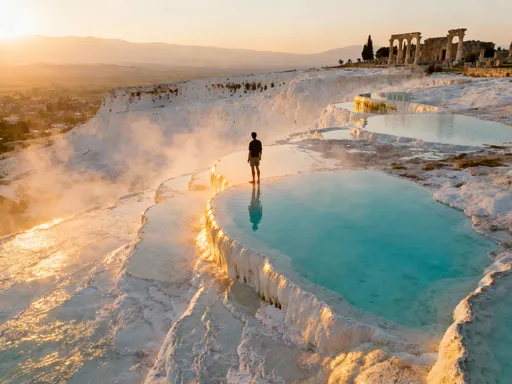
Equally compelling is Orakei Korako, often called the “Hidden Valley” due to its remote location along the Waikato River. This geothermal area boasts some of the country’s most vivid silica terraces, formed over centuries as mineral-rich water cooled and left behind delicate, stepped formations. The contrast between the emerald pools and white mineral edges creates a surreal, almost otherworldly scene. Unlike more commercialized sites, Orakei Korako maintains a sense of quiet awe, with fewer crowds and more space to reflect on nature’s power. Boardwalks guide visitors safely through active zones, ensuring close-up views without compromising safety.
Understanding the science behind these wonders enhances the experience. The Taupo Volcanic Zone stretches from White Island in the north to Mount Ruapehu in the south, and Taupo itself sits within a massive caldera formed by a supereruption over 26,000 years ago. That event was one of the largest in human history, reshaping the entire region. Today, geologists monitor the area closely, but for visitors, the signs of activity are not dangerous when respected. Steam clouds may look ominous, but they’re part of a natural, ongoing process. Staying on marked paths, heeding warning signs, and avoiding direct contact with hot water or unstable ground are simple rules that ensure a safe and enriching visit.
For the best experience, arrive early in the morning when the light enhances the colors of the pools and the air is still. Midday sun can wash out photo opportunities, and summer afternoons often bring humidity that intensifies the smell of sulfur – not unpleasant to some, but noticeable. Both Waimangu and Orakei Korako offer guided tours led by knowledgeable locals who share not just facts, but stories passed down through generations. These guides help visitors understand not only how the landscape formed, but why it matters – both scientifically and culturally. This is not just sightseeing; it’s a journey into the forces that shaped Aotearoa.
Lakefront Living: The Pulse of Taupo Town
The shores of Lake Taupo are where the community comes alive. The town center, nestled along the northeastern edge of the lake, blends natural beauty with everyday charm. The Great Lake Walkway, a paved path stretching several kilometers, invites strollers, joggers, and cyclists to take in sweeping views of the water and surrounding mountains. On any given morning, you’ll see locals walking dogs, families riding bikes, and visitors pausing to snap photos of the ever-changing lake surface – calm and glassy in the dawn light, rippling with wind by afternoon.
One of the most authentic ways to experience Taupo’s rhythm is through the Taupo Farmers Market, held weekly at the lakefront park. Here, regional producers gather to sell fresh fruit, artisan bread, homemade preserves, and locally roasted coffee. The scent of grilled sausages mingles with the floral notes of handmade soaps, creating a sensory snapshot of Central North Island life. It’s more than shopping – it’s connection. Vendors are happy to share recipes, growing tips, or stories about their farms, making the market a warm, welcoming space for both residents and travelers.
Waterfront cafes line the promenade, offering casual meals with panoramic views. Whether it’s a flat white with a buttery croissant for breakfast or a plate of fresh green-lipped mussels at lunch, dining here feels relaxed and unhurried. Many establishments use locally sourced ingredients, supporting regional agriculture while delivering flavor that reflects the land. Children play in nearby playgrounds, couples share ice creams, and retirees sit on benches watching boats drift across the bay. This is everyday Taupo – simple, grounded, and full of quiet joy.
Seasonal events elevate the town’s energy. The Mid-Winter Carnival transforms the waterfront into a festival of lights, music, and food, drawing crowds despite the cold. Locals wrap up in scarves and beanies, sipping hot chocolate as children marvel at glowing lanterns and live performances. Even more iconic is the annual Ironman New Zealand, which brings elite athletes and spectators from around the world. On race day, the town buzzes with anticipation as competitors swim across the lake, cycle through rolling farmland, and run along the waterfront. The atmosphere is electric, yet inclusive – volunteers cheer for every participant, and the sense of community pride is palpable.
What makes the lakefront so appealing is its accessibility. Stroller-friendly paths, public restrooms, shaded seating, and ample parking make it easy for families and older visitors to enjoy. There are no admission fees, no timed entries – just open space and natural beauty. Whether you come for a sunrise walk, a weekend market visit, or a festival evening, the lakefront offers a genuine slice of local life, not a manufactured tourist experience.
Adrenaline Zone: Adventure Beyond the Ordinary
Taupo has earned its reputation as New Zealand’s adventure capital, and for good reason. The combination of dramatic landscapes, reliable weather, and a culture of outdoor enthusiasm creates the perfect environment for high-octane experiences. Skydiving over Lake Taupo is often described as life-changing – a tandem jump from 15,000 feet delivers panoramic views of the lake, volcanoes, and distant snow-capped peaks. As you freefall at 200 kilometers per hour, the world rushes up in a blur of blue and green, before the parachute opens and silence descends. Floating gently back to earth, you gain a new perspective – literally and figuratively.
For those who prefer to stay closer to the water, jet boating on the Tongariro River is a thrilling alternative. These powerful vessels navigate narrow canyons at high speed, spinning in tight 360-degree turns that send sprays of water into the air. The ride is loud, wet, and exhilarating, yet safe thanks to strict operator standards and well-maintained equipment. Guides are trained in river navigation and emergency procedures, ensuring that even first-timers feel confident. The river itself is fed by volcanic springs, giving it a unique clarity and temperature that enhances the experience.
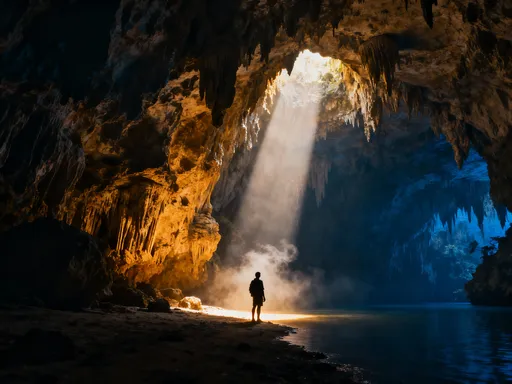
Lesser-known but equally exciting is black water rafting in the Ruakuri Cave system. This adventure begins with a descent into an underground river, where participants float on inflatable tubes through pitch-black tunnels illuminated only by headlamps. Stalactites hang like stone icicles, and the sound of dripping water echoes in the darkness. Along the way, there are small drops, natural water slides, and opportunities to swim through caverns. It’s not for the claustrophobic, but for those seeking something truly unique, it’s unforgettable.
Downhill mountain biking has also gained popularity, with purpose-built trails at Craters of the Moon and Timber Trail offering routes for all skill levels. Rental shops provide high-quality gear, and shuttle services transport riders to trailheads, eliminating the need to pedal uphill. The terrain varies from smooth forest paths to rocky descents, ensuring variety and challenge. Helmets and protective pads are mandatory, and safety briefings are standard practice across all operators.
Choosing the right adventure depends on comfort level, physical ability, and personal goals. Reputable companies provide clear information about age limits, health requirements, and what to expect. Many offer multi-activity packages, allowing visitors to combine skydiving with bungee jumping or jet boating with rafting. While the adrenaline rush is undeniable, these experiences also foster confidence, presence, and a deep appreciation for the natural environment. They’re not just about thrills – they’re about pushing boundaries in a safe, supported way.
Nature’s Retreat: Forests, Rivers & Hidden Valleys
Beyond the tourist hubs lie quiet corners where nature reclaims the spotlight. The Waitonga Falls track, a moderate 45-minute loop, leads through dense native bush to a cascading waterfall framed by moss-covered rocks. Unlike more famous falls, this one rarely feels crowded, offering space for quiet reflection or a peaceful family picnic. The sound of rushing water, birdsong, and rustling leaves creates a natural symphony that soothes the mind and refreshes the spirit.
The Kuratau River, flowing west into Lake Taupo, is another hidden gem. Its banks are lined with flax and ferns, and the water runs clear and cool. Kayaking or walking along its edge reveals herons stalking fish, eels gliding beneath the surface, and kingfishers darting between branches. There are no marked trails for much of its length, which adds to its sense of discovery. Visitors should come prepared with sturdy shoes, insect repellent, and a map, as mobile signal can be spotty.
Huka Falls Reserve offers a more accessible forest experience, with well-groomed paths leading to viewpoints of the powerful waterfall where the Waikato River funnels through a narrow chasm. The force of the water is mesmerizing, and the mist keeps the surrounding vegetation lush and green. Early morning visits are ideal, when sunlight filters through the trees and the crowds are thin. Benches along the route invite pauses, and interpretive signs share geological and ecological facts.
These natural retreats provide more than scenic beauty – they offer solitude, mindfulness, and connection. Birdwatchers may spot the rare blue duck (whio) in fast-flowing streams, or hear the call of the tūī and kererū in the canopy. Photographers find endless inspiration in the play of light, water, and foliage. For families, these walks are educational and engaging, allowing children to explore safely while learning about native plants and animals.
Seasonal changes affect access and experience. Summer brings long days and warm weather, ideal for extended hikes. Autumn paints the beech forests in gold and red, while winter mornings often come with frost-kissed ferns and still, misty lakes. Spring sees new growth and blooming rata flowers, attracting nectar-feeding birds. Regardless of the season, packing layers, water, and a small first-aid kit ensures comfort and safety. These spaces remind us that beauty doesn’t always need a crowd – sometimes, the most meaningful moments are the quiet ones.
Cultural Grounds: Māori Heritage and Local Stories
To truly understand Taupo, one must listen to the stories of the people who have lived here for centuries. The region is part of the traditional rohe (territory) of several iwi, including Ngāti Tūwharetoa, whose ancestors navigated the lakes and rivers long before European arrival. Lake Taupo itself, known as Taupō-nui-a-Tia, holds deep spiritual significance, tied to legends of the demigod Māui and the ancestral chief Tia, who named the lake after his son.
Authentic cultural experiences in Taupo focus on storytelling, connection, and respect. Guided walks led by Māori hosts offer insights into traditional uses of native plants, the significance of landmarks, and the importance of kaitiakitanga – guardianship of the land. These are not performances for tourists, but shared moments of knowledge and hospitality. Visitors are encouraged to listen, ask thoughtful questions, and honor tapu (sacred) areas by following guidance.
Carvings and meeting grounds (marae) throughout the region reflect the living culture of local iwi. While some marae are not open to the public, others welcome visitors during special events or educational programs. Interpretive centers and museums incorporate Māori perspectives into their exhibits, ensuring that history is told from multiple viewpoints. Language is also celebrated – hearing place names pronounced correctly, such as “Waimangu” (dark waters) or “Orakei Korako” (place of glowing greenstone), adds depth to the experience.
Local iwi play a vital role in conservation and tourism management. Through co-governance agreements, they help protect geothermal sites, rivers, and native forests, ensuring these treasures are preserved for future generations. Their involvement ensures that development respects cultural values and environmental limits. Travelers can support this work by choosing operators who partner with iwi, purchasing authentic Māori art, and practicing responsible tourism.
Engaging with Māori culture is not about spectacle – it’s about understanding. It’s learning why certain mountains are sacred, why fishing rights are protected, and how oral history keeps knowledge alive. When visitors approach with humility and curiosity, they gain more than information – they gain respect. And in return, they help sustain a culture that is vibrant, resilient, and deeply connected to the land.
Family-Friendly Spaces: Fun That Works for Everyone
Taupo is a dream destination for families, offering activities that balance excitement with ease. The Taupo Museum, though modest in size, is packed with interactive exhibits that captivate children and adults alike. Fossil displays, Māori artifacts, and hands-on geology stations make learning fun. Staff are friendly and happy to answer questions, and the building includes restrooms, baby-changing facilities, and a small café.
Along the lakefront, playgrounds are thoughtfully designed with safety and inclusivity in mind. Equipment ranges from swings and slides to climbing nets and sensory panels for younger children. Shaded picnic areas nearby allow parents to relax while keeping an eye on their kids. Many spots have seating with lake views, making them ideal for a snack break or a quiet moment with a book.
Easy walking tracks with natural surprises keep children engaged. The Rainbow Springs Nature Park, just outside town, features colorful mineral pools, native wildlife enclosures, and a butterfly house. Kids love spotting tuatara, kiwi, and eels, and educational talks help them understand conservation efforts. The walk is stroller-friendly, and pathways are well-marked.
Practical considerations make a big difference for families. Most major attractions have accessible restrooms, shaded areas, and drinking fountains. Many cafes offer high chairs and kids’ menus with healthy options. Public parking is plentiful, and information centers provide free maps and advice. For parents managing naps, snacks, and attention spans, these details reduce stress and increase enjoyment.
What sets Taupo apart is its ability to offer variety without requiring long drives. Within a 20-minute radius, families can go from a geothermal valley to a forest walk to a lakeside playground. There’s no need to over-schedule – the rhythm of the day can be flexible, responding to moods and energy levels. Whether building sandcastles at the beach, feeding ducks at the river, or watching a trout leap at Huka Falls, the moments add up to a rich, joyful experience.
Sunset & Stillness: The Quiet Magic After Daylight
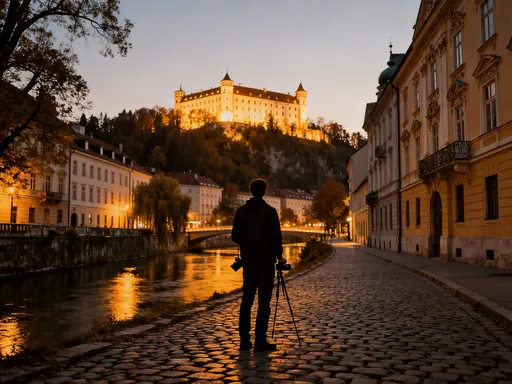
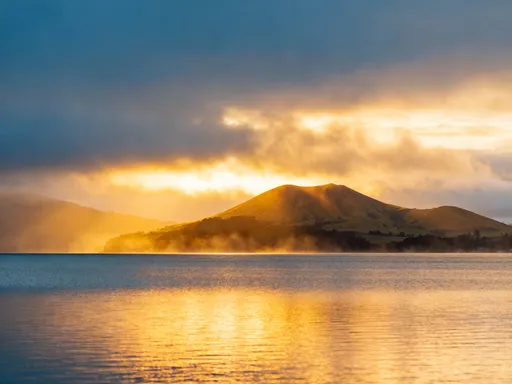
As the sun dips below the horizon, Taupo reveals a different kind of beauty. The golden hour at Five Mile Bay paints the sky in soft pinks and oranges, reflecting off the lake like a mirror. Couples walk hand in hand, photographers adjust their tripods, and solo travelers sit in silence, absorbing the peace. Streetlights are sparse here, allowing the natural light show to take center stage.
Further from town, the lack of light pollution makes Taupo an excellent spot for stargazing. On clear nights, the Milky Way stretches across the sky in brilliant detail, and shooting stars streak silently overhead. Places like Acacia Cliffs or the shores of Lake Tikitapu offer dark, open views perfect for astronomy enthusiasts or anyone seeking wonder. Bringing a blanket, a thermos of tea, and a star map turns an evening into a memorable experience.
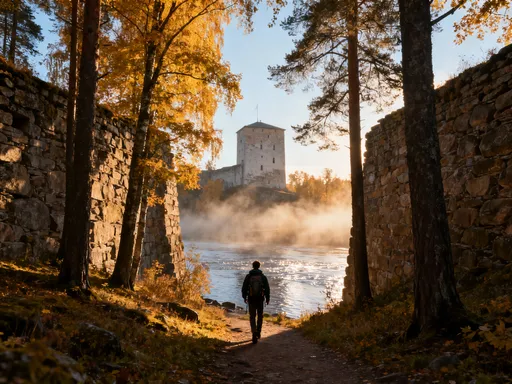
Lakeside walks at dusk feel almost spiritual. The air cools, the water calms, and the world slows down. Pōhutukawa trees silhouette against the fading light, and the distant call of a morepork (native owl) adds to the atmosphere. These moments are not rushed – they invite presence, reflection, and gratitude. For travelers who have spent the day hiking, biking, or exploring, this quiet time offers restoration.
Safety is important during evening outings. Carrying a flashlight, wearing reflective clothing, and staying on marked paths ensure visibility. Informing someone of your plans and checking weather conditions are simple precautions. Many visitors combine sunset viewing with a casual dinner at a waterfront restaurant, where outdoor seating allows them to enjoy the transition from day to night.
Photographers find endless opportunities in the soft, diffused light of dusk. Long exposures capture the smooth surface of the lake, while wide-angle lenses frame the entire sky. Even smartphone users can take stunning shots with minimal effort. The key is patience – waiting for the right moment, when the colors deepen and the world holds its breath.
This quiet magic is not incidental – it’s essential. In a world that often feels fast and loud, Taupo offers stillness. It reminds us that beauty exists in silence, in darkness, in the spaces between experiences. And sometimes, the most powerful moments are the ones that leave no trace but a lasting impression on the heart.
Taupo isn’t just one place – it’s a tapestry of themed zones, each with its own rhythm and reward. Whether you’re chasing thrills, peace, culture, or family fun, the region delivers with authenticity and depth. By understanding these areas as interconnected experiences, travelers can craft a richer, more personal journey. This is more than sightseeing – it’s truly feeling the soul of the land.