How Ball Sports Transformed My Long-Term Health Game
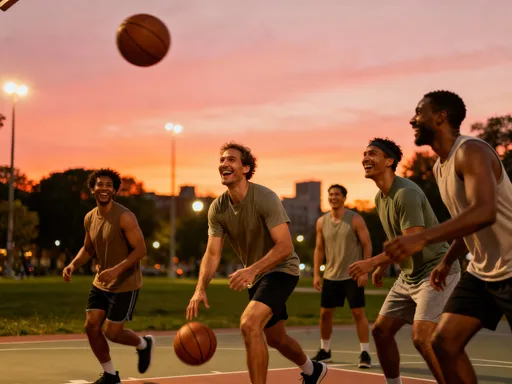
I used to think fitness was just about hitting the gym and grinding through reps. But after years of burnout and inconsistency, I discovered something that actually stuck—ball sports. Whether it’s pickup basketball, weekend soccer, or casual tennis, playing ball didn’t just get me moving; it reshaped how I manage my health long-term. It’s fun, social, and surprisingly effective. Here’s how it became my go-to strategy for sustainable wellness.
The Burnout Problem: Why Traditional Workouts Fail Long-Term
For many people, the journey to better health begins with a burst of motivation—new gym memberships, workout plans printed neatly on the fridge, and a commitment to change. Yet, within weeks or months, that initial drive often fades. The reason isn’t laziness or lack of willpower; it’s a deeper mismatch between what we expect from fitness and what truly sustains it. Traditional workouts, while effective in the short term, frequently rely on repetition and discipline alone. Running on a treadmill, lifting weights in isolation, or cycling indoors may improve physical metrics, but they often fail to engage the mind or spirit over time.
This emotional and psychological disconnect is a major contributor to exercise dropout rates. Studies show that up to 50% of adults who start a new fitness routine will abandon it within six months. One key factor is monotony. When movement feels like a chore, the brain begins to associate exercise with effort rather than reward. Over time, this builds mental resistance, making it harder to return even when energy levels improve or schedules free up. The result is a cycle of starting strong, slowing down, and eventually stopping altogether—followed by guilt and renewed attempts that repeat the same pattern.
What’s missing isn’t effort, but enjoyment. Humans are wired to seek pleasure and avoid pain, and when fitness feels punishing, the instinct is to escape it. This is where ball sports offer a powerful alternative. Unlike rigid gym routines, playing ball introduces spontaneity, competition, and laughter into physical activity. The focus shifts from counting minutes or calories to reacting, connecting, and competing. Because the brain perceives these experiences as play rather than work, the body moves more freely, and the mind stays engaged longer. This subtle shift in perception is what allows ball sports to bypass the burnout trap so common in conventional fitness.
Why Ball Sports? The Hidden Power of Play in Fitness
Ball sports encompass a wide range of activities where a ball is central to gameplay—soccer, basketball, tennis, volleyball, pickleball, handball, and even casual catch or kickabouts in the park. What sets them apart from structured workouts is their inherent unpredictability. Each game unfolds differently, requiring quick decisions, spatial awareness, and constant adaptation. This dynamic nature transforms exercise from a repetitive task into an immersive experience. Instead of following a set routine, players respond to real-time challenges: intercepting a pass, dodging an opponent, or timing a serve. These micro-decisions keep the mind active and the body responsive, creating a flow state that many describe as both energizing and meditative.
The psychological benefits of this kind of movement are well-documented. Research in behavioral psychology shows that activities perceived as play trigger the release of endorphins and dopamine more effectively than structured exercise. These neurochemicals enhance mood, reduce stress, and increase motivation—making it easier to stay consistent. Moreover, because players are focused on the game rather than the physical exertion, they often underestimate how hard they’re working. This phenomenon, known as reduced perceived effort, means people can sustain higher intensities for longer durations without feeling drained. A 45-minute soccer match might burn as many calories as a treadmill session, but it feels less taxing because the brain is engaged in strategy and interaction rather than monitoring fatigue.
Another advantage of ball sports is their ability to naturally incorporate interval training. Most games involve bursts of sprinting, jumping, or quick directional changes followed by brief recovery periods—mirroring the structure of high-intensity interval training (HIIT), which is widely recognized for improving cardiovascular health, insulin sensitivity, and fat metabolism. Unlike planned HIIT workouts that require mental preparation, these bursts occur organically during play, making them more accessible and less intimidating. Over time, this type of movement builds stamina and resilience without the need for strict programming or external motivation.
Long-Term Health Gains: What Playing Ball Actually Does for Your Body
The physical benefits of regular ball sports participation extend far beyond calorie burning. One of the most significant advantages is improved cardiovascular function. The stop-and-go nature of these games strengthens the heart muscle, enhances blood circulation, and helps regulate blood pressure. Longitudinal studies have found that individuals who engage in regular team-based or recreational ball sports have lower risks of developing heart disease, stroke, and type 2 diabetes compared to those who follow sedentary lifestyles or even some who stick to moderate aerobic exercise alone. The intermittent intensity of play appears to optimize cardiac output and vascular efficiency in ways that steady-state cardio cannot fully replicate.
Muscular endurance and coordination also see marked improvement. Ball sports require full-body engagement—legs for running and jumping, core for balance and rotation, arms for throwing or striking. Unlike isolated weight training, which targets specific muscle groups, ball games promote integrated movement patterns that reflect real-life physical demands. This functional strength translates into better posture, reduced risk of falls, and greater ease in daily tasks such as climbing stairs, carrying groceries, or playing with children. Additionally, the constant changes in direction and speed enhance neuromuscular coordination, sharpening the connection between the brain and muscles. This leads to quicker reflexes, improved balance, and greater body awareness—all of which become increasingly important with age.
Joint mobility and injury resilience are other long-term gains often overlooked. Many people avoid high-movement activities out of fear of joint strain, especially if they’ve experienced past injuries. However, when played responsibly, ball sports can actually strengthen connective tissues and improve joint stability. The varied movements stimulate synovial fluid production, which lubricates joints and nourishes cartilage. Over time, this can reduce stiffness and delay the onset of degenerative conditions like osteoarthritis. Furthermore, the proprioceptive demands of tracking a ball, adjusting footing, and anticipating opponents’ moves train the body to move more efficiently and safely. Players develop a natural sense of control that protects against sprains and strains, making them less prone to injury not just during games but in everyday life.
Mental and Social Perks: More Than Just a Workout
While the physical benefits of ball sports are substantial, their impact on mental and emotional well-being is equally transformative. One of the most powerful aspects of team or partner-based play is social connection. In a world where isolation and digital overload are common, sharing a court or field with others creates meaningful human interaction. Conversations flow easily between points, laughter arises spontaneously, and camaraderie builds over shared effort. These moments of connection reduce feelings of loneliness and contribute to a sense of belonging—a critical factor in long-term mental health.
Engaging in regular ball sports has also been linked to reduced symptoms of anxiety and depression. The combination of physical exertion, sunlight exposure (in outdoor games), and social engagement stimulates the production of serotonin and endorphins, natural mood regulators. Unlike solitary workouts, where rumination can occur, ball games demand focus and presence. The need to track the ball, anticipate plays, and communicate with teammates keeps the mind anchored in the moment, offering a form of active mindfulness. This mental break from daily stressors allows players to return to their routines with clearer minds and calmer emotions.
Sleep quality often improves as well. Physical activity helps regulate circadian rhythms, and the mental relaxation that follows social play can ease the transition into restful sleep. Many regular players report falling asleep faster, waking less during the night, and feeling more refreshed in the morning. Cognitive functions such as concentration, memory, and decision-making also benefit from the neural activation involved in fast-paced games. Over time, this contributes to sharper mental performance and greater emotional resilience. Perhaps most importantly, the social accountability built into group play supports consistency. Knowing that teammates expect you to show up creates a gentle but effective incentive to maintain the habit—far more motivating than relying solely on internal discipline.
Starting Small: How to Build a Sustainable Ball Sports Routine
For those new to ball sports or returning after a long break, the idea of joining a game might feel intimidating. The key is to start small and prioritize accessibility. Begin by identifying low-pressure environments—community centers, local parks, or recreational leagues that welcome beginners. Many cities offer drop-in sessions for sports like pickleball, volleyball, or casual basketball where skill levels vary and the focus is on participation rather than competition. These settings provide a safe space to learn, make mistakes, and build confidence without fear of judgment.
Choosing the right sport matters too. Consider factors like physical comfort, available time, and personal interest. Tennis and pickleball are excellent for developing hand-eye coordination and offer a mix of intensity and control. Soccer and basketball provide full-body conditioning but may require more mobility and joint resilience. Volleyball emphasizes teamwork and timing, while casual catch or kickabouts with family or friends can be a gentle entry point. The goal isn’t mastery but consistency—finding a form of play that feels enjoyable enough to repeat regularly.
Frequency and pacing are crucial for sustainability. Starting with one session per week allows the body to adapt without overloading. As fitness improves, gradually increasing to two or three times per week can maximize benefits while minimizing injury risk. It’s also important to balance intensity with recovery. Not every game needs to be high-effort; sometimes showing up and moving at a comfortable pace is enough to maintain momentum. Listening to the body, staying hydrated, and allowing time for rest ensures that play remains a source of energy rather than exhaustion. Real-life examples abound: a mother of two joins a weekend women’s soccer league, fitting games around family time; a retired teacher takes up pickleball three times a week, finding both exercise and friendship; a busy professional schedules lunchtime basketball as a mental reset. These stories reflect a common truth—when play fits naturally into life, it becomes sustainable.
Staying Safe and Smart: Injury Prevention and Smart Progression
While ball sports are highly beneficial, they do carry physical demands that require mindful management. The most effective way to ensure long-term participation is through injury prevention. A proper warm-up is essential before any game. Five to ten minutes of dynamic movements—such as leg swings, arm circles, light jogging, or jumping jacks—increases blood flow to muscles and prepares joints for action. Skipping this step raises the risk of strains, particularly in the hamstrings, calves, and shoulders, which are frequently engaged during play.
Similarly, cooling down after a game supports recovery. Gentle walking followed by static stretching helps reduce muscle soreness and improves flexibility. Targeting major muscle groups used during play—quadriceps, hamstrings, calves, shoulders, and back—can enhance range of motion and prevent stiffness. Mobility exercises, such as ankle rolls or shoulder rotations, further maintain joint health and reduce the likelihood of overuse injuries. Equally important is listening to the body. Sharp pain, persistent discomfort, or unusual fatigue are signals to slow down or take a break. Pushing through pain may lead to longer recovery times and disrupt consistency.
Smart progression involves balancing challenge with recovery. As skills and fitness improve, it’s natural to want to play more intensely or frequently. However, sudden increases in duration or intensity can overwhelm the body’s adaptive capacity. A gradual approach—adding minutes, increasing effort slowly, or incorporating rest days—allows for sustainable growth. Cross-training with complementary activities like swimming, walking, or yoga can also support overall fitness while giving specific joints and muscles a break. Wearing appropriate footwear with good support and playing on safe surfaces further reduces injury risk. Ultimately, the goal is not to play the hardest game possible, but to play consistently over years, decades, and even into older age.
From Habit to Lifestyle: Making Ball Sports Part of Your Health Identity
What begins as a new activity can, over time, evolve into a core part of one’s identity. This shift is subtle but profound. Initially, someone might say, “I’m trying to exercise more.” After months of regular play, the self-perception changes to, “I’m someone who plays ball.” This redefinition moves health from a task to be completed to a way of being. Identity-based habits are far more resilient than goal-based ones because they don’t rely on motivation or external rewards—they become part of who you are.
Tracking progress in this context looks different too. Rather than measuring success by weight lost or reps achieved, long-term players notice improvements in energy levels, mood stability, and daily functioning. They feel stronger during everyday activities, sleep more soundly, and handle stress with greater ease. These intangible gains are often more meaningful than numbers on a scale. They reflect a holistic improvement in quality of life—one that extends beyond the court or field and into relationships, work, and personal well-being.
Ultimately, ball sports offer a rare combination: they are physically demanding yet psychologically rewarding, socially enriching yet personally empowering. They transform health management from a series of obligations into a lifestyle rooted in joy. When movement feels like play, it ceases to be something you force yourself to do and becomes something you look forward to. That shift is what makes long-term adherence not only possible but natural. It’s not about perfection or peak performance; it’s about showing up, staying active, and enjoying the process. And in a world where so many health efforts fade over time, that enjoyment might be the most powerful tool of all.
Ball sports aren’t just games—they’re a powerful, sustainable path to long-term health. By combining movement, connection, and fun, they turn fitness into a lifestyle you can actually enjoy for years. It’s not about perfection; it’s about showing up, playing hard, and feeling better every day. When health feels like play, you don’t quit—you keep coming back for more.